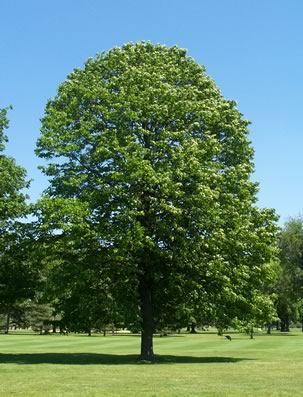
Lime

Lime: Tilia


Linden is an herb that comes from various species of Tilia, or lime tree. It has been used in European folk medicine for centuries to treat a wide range of health problems. Flowers from 2 linden species (Tilia cordata and Tilia platyphyllos) were historically used to soothe nerves and treat health problems associated with anxiety. These flowers were steeped as a tea to relieve anxiety related to indigestion, irregular heartbeat, and vomiting. Today, linden is used in many cough and cold remedies. Active ingredients in linden help promote sweating, which may help treat people with fevers. However, scientific evidence on linden's effectiveness is lacking.6

Tilia has been studied in only a few test tube and animal trials. It appears to have antispasmodic (reducing muscle contractions), astringent (drying), diuretic, and sedative properties. Note that different parts of Tilia species are used in treating specific conditions and symptoms.6

  • Colds and Coughs
    • Flowers are sometimes suggested to treat colds, cough, fever, infections, inflammation, high blood pressure, headache (particularly migraine); as a diuretic (increases urine production), antispasmodic (reduces smooth muscle spasm along the digestive tract), and sedative.6
  • Other
    • Wood is used for liver and gallbladder disorders and cellulitis (inflammation of the skin and surrounding soft tissue).
Charcoal [from the linden’s wood] has been used orally to treat intestinal disorders and used topically to treat swelling (edema) or infection (such as cellulitis or ulcers) of the lower leg.

Comments

Popular posts from this blog

Uvuma-omhlope

Uvuma-omhlope; Synaptolepis Kirkii Uvuma-omhlope (Synaptolepis Kirkii) is a bluish-green shrub with striking porcelain white roots. Kirkii is traditionally used by the Zulu and Xhosa to induce spiritual visions, trances and dreams. The roots of the Uvuma-omhlope shrub contain a potent neurotrophic called kirkinine. Neurotrophins are a family of proteins that induce the development and function of neurons. UBULAWU DREAM HERBS Uvuma-omhlope is one of the so called ‘Ubulawu’ dream herbs. This is the name associated with a series of plants from Southern Africa that are used for visions and vivid dreams. It is believed one can communicate with the ancestral spirits and gain special insights and answers through use of the Ubulawu herbs. UVUMA-OMHLOPE EFFECTS There has not been extensive research into the workings of Uvuma-omhlope, but based on traditional use and user experiences, the effects are very similar to African Dream Root (Silene capensis). Uvuma-omhlope encoura...

Ubhubhubhu

Ubhubhubhu; Helinus integrifolius Ubhubhubhu is the Xhosa name for a South African herb also known as Helinus integrifolius, though the common name is unknown. Little information can be found on either name, though a study into Xhosa plants and their western names by the South-African Rhodes University suggests the herb may be closely related to the Ilex mitis, a tall evergreen tree indigenous to South Africa. The Xhosa would use Ubhubhubhu in an ‘Ubulawu’ mix. An infusion was taken orally at the initiation of diviners to strengthen memory and give the initiate keen powers of observation. UBULAWU DREAM HERBS Helinus integrifolius is one of the so called ‘Ubulawu’ dream herbs. This is the name associated with a series of plants from Southern Africa that are used for visions and vivid dreams. It is believed one can communicate with the ancestral spirits and gain special insights and answers through use of the Ubulawu herbs. UBHUBHUBHU EFFECTS Helinis integrifolius ha...

St John's wort

St John's wort : Hypericum perforatum St. John's wort (Hypericum perforatum) has a history of use as a medicine dating back to ancient Greece, where it was used for a range of illnesses, including various nervous disorders. St. John's wort also has antibacterial, antioxidant, and antiviral properties. Because of its anti-inflammatory properties, it has been applied to the skin to help heal wounds and burns. St. John's wort is one of the most commonly purchased herbal products in the United States. [It] is a flowering plant of the genus Hypericum and has been used as a medicinal herb for its antidepressant and anti-inflammatory properties for over 2,000 years. The Greek physicians of the first century recommended the use of St. John’s wort for its medicinal value, and the ancients believed that the plant had mystical and protective qualities. 35 St. John’s wort uses, dating back to the ancient Greeks, included treatment for illnesses such as various nervous ...