
Rhinoceros bush

Rhinoceros bush; Elytropappus rhinocerotis 
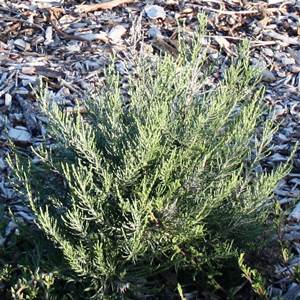

Image result for Rhinoceros bush
Although the Renosterveld Vegetation Type is confined to the South-Western Cape of South Africa, the Renosterbos plant is much more widespread - occurring throughout the Cape Floristic Region and further, as far east as Molteno in the Eastern Cape, and as far north as Namibia. Renosterbos is also relatively common in this area, unlike most plants associated with Renosterveld vegetation.

As a consequence of livestock finding the plant relatively inedible, the Elytropappus rhinocerotis has spread in heavily grazed areas and increased in numbers relative to other (more easily grazed) plants.

Uses
Elytropappus rhinocerotis is a medicinal plant in traditional African medicine. The young tips of the branches are used in traditional medicine to treat indigestion and stomach ulcers. The foliage tips are now usually added to wine or brandy for such medicinal consumption.


More: www.revolvy.com/topic/Elytropappus%20rhinocerotis&uid=1575

Comments

Popular posts from this blog

Uvuma-omhlope

Uvuma-omhlope; Synaptolepis Kirkii Uvuma-omhlope (Synaptolepis Kirkii) is a bluish-green shrub with striking porcelain white roots. Kirkii is traditionally used by the Zulu and Xhosa to induce spiritual visions, trances and dreams. The roots of the Uvuma-omhlope shrub contain a potent neurotrophic called kirkinine. Neurotrophins are a family of proteins that induce the development and function of neurons. UBULAWU DREAM HERBS Uvuma-omhlope is one of the so called ‘Ubulawu’ dream herbs. This is the name associated with a series of plants from Southern Africa that are used for visions and vivid dreams. It is believed one can communicate with the ancestral spirits and gain special insights and answers through use of the Ubulawu herbs. UVUMA-OMHLOPE EFFECTS There has not been extensive research into the workings of Uvuma-omhlope, but based on traditional use and user experiences, the effects are very similar to African Dream Root (Silene capensis). Uvuma-omhlope encoura...

Ubhubhubhu

Ubhubhubhu; Helinus integrifolius Ubhubhubhu is the Xhosa name for a South African herb also known as Helinus integrifolius, though the common name is unknown. Little information can be found on either name, though a study into Xhosa plants and their western names by the South-African Rhodes University suggests the herb may be closely related to the Ilex mitis, a tall evergreen tree indigenous to South Africa. The Xhosa would use Ubhubhubhu in an ‘Ubulawu’ mix. An infusion was taken orally at the initiation of diviners to strengthen memory and give the initiate keen powers of observation. UBULAWU DREAM HERBS Helinus integrifolius is one of the so called ‘Ubulawu’ dream herbs. This is the name associated with a series of plants from Southern Africa that are used for visions and vivid dreams. It is believed one can communicate with the ancestral spirits and gain special insights and answers through use of the Ubulawu herbs. UBHUBHUBHU EFFECTS Helinis integrifolius ha...

St John's wort

St John's wort : Hypericum perforatum St. John's wort (Hypericum perforatum) has a history of use as a medicine dating back to ancient Greece, where it was used for a range of illnesses, including various nervous disorders. St. John's wort also has antibacterial, antioxidant, and antiviral properties. Because of its anti-inflammatory properties, it has been applied to the skin to help heal wounds and burns. St. John's wort is one of the most commonly purchased herbal products in the United States. [It] is a flowering plant of the genus Hypericum and has been used as a medicinal herb for its antidepressant and anti-inflammatory properties for over 2,000 years. The Greek physicians of the first century recommended the use of St. John’s wort for its medicinal value, and the ancients believed that the plant had mystical and protective qualities. 35 St. John’s wort uses, dating back to the ancient Greeks, included treatment for illnesses such as various nervous ...