
Safou

Safou: Dacryodes edulis 

The preferential habitat of D. edulis is a shady, humid tropical forest. However, it adapts well to variations in soil type, humidity, temperature and day length. The natural range extends from Angola in the South, Nigeria and Sierra Leone in the West and Uganda in the East. It is also cultivated in Malaysia.
The tree is also a source of many herbal medicines. It has long been used in the traditional medicine of some African countries to treat various ailments such as wound, skin diseases, dysentery and fever. The extracts and secondary metabolites have been found to show biological activities such as antimicrobial, antioxidant  and anti sickle-cell disease. A wide range of chemical constituents such as terpenes, flavonoids, tannins, alkaloids and saponins have been isolated from the plant.
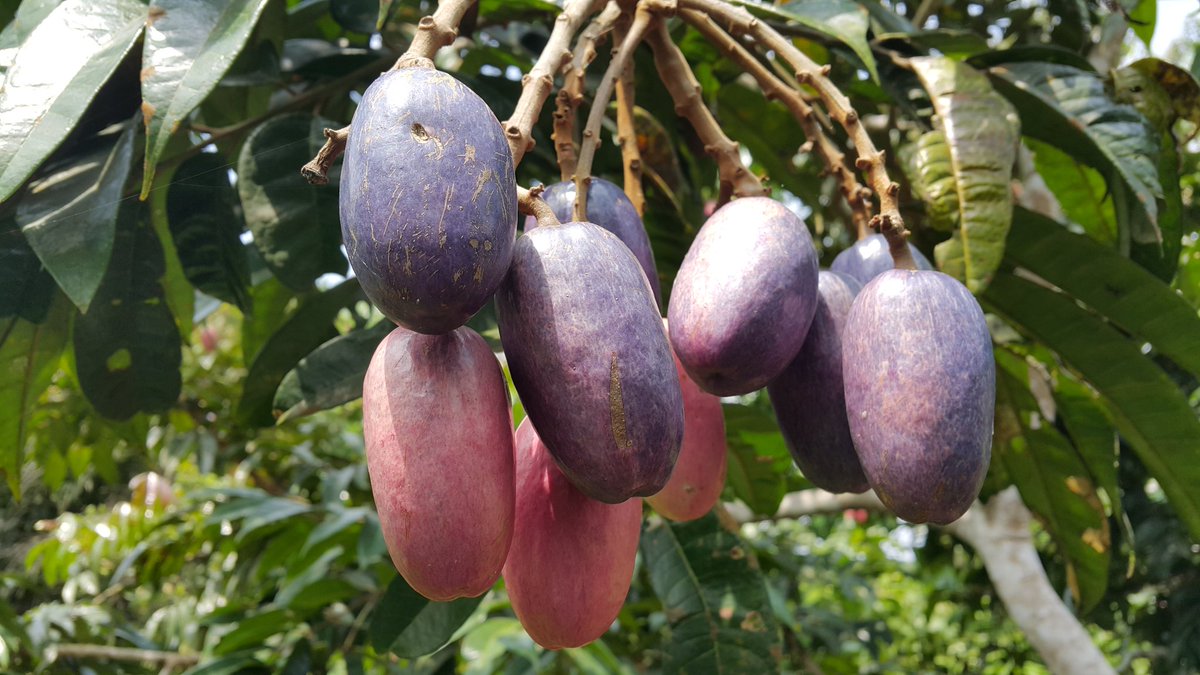

Image result for Safou

More: www.revolvy.com/topic/Dacryodes%20edulis&uid=1575

Comments

Popular posts from this blog

Uvuma-omhlope

Uvuma-omhlope; Synaptolepis Kirkii Uvuma-omhlope (Synaptolepis Kirkii) is a bluish-green shrub with striking porcelain white roots. Kirkii is traditionally used by the Zulu and Xhosa to induce spiritual visions, trances and dreams. The roots of the Uvuma-omhlope shrub contain a potent neurotrophic called kirkinine. Neurotrophins are a family of proteins that induce the development and function of neurons. UBULAWU DREAM HERBS Uvuma-omhlope is one of the so called ‘Ubulawu’ dream herbs. This is the name associated with a series of plants from Southern Africa that are used for visions and vivid dreams. It is believed one can communicate with the ancestral spirits and gain special insights and answers through use of the Ubulawu herbs. UVUMA-OMHLOPE EFFECTS There has not been extensive research into the workings of Uvuma-omhlope, but based on traditional use and user experiences, the effects are very similar to African Dream Root (Silene capensis). Uvuma-omhlope encoura...

Ubhubhubhu

Ubhubhubhu; Helinus integrifolius Ubhubhubhu is the Xhosa name for a South African herb also known as Helinus integrifolius, though the common name is unknown. Little information can be found on either name, though a study into Xhosa plants and their western names by the South-African Rhodes University suggests the herb may be closely related to the Ilex mitis, a tall evergreen tree indigenous to South Africa. The Xhosa would use Ubhubhubhu in an ‘Ubulawu’ mix. An infusion was taken orally at the initiation of diviners to strengthen memory and give the initiate keen powers of observation. UBULAWU DREAM HERBS Helinus integrifolius is one of the so called ‘Ubulawu’ dream herbs. This is the name associated with a series of plants from Southern Africa that are used for visions and vivid dreams. It is believed one can communicate with the ancestral spirits and gain special insights and answers through use of the Ubulawu herbs. UBHUBHUBHU EFFECTS Helinis integrifolius ha...

Birch

Birch : Betula Birch is a natural pain reliever containing salicylate, the compound found in aspirin. Salicylate relieves the inflammation and pain associated with osteoarthritis, rheumatoid arthritis, gout, and generalized muscle pain. Salicylate deters the body's production of certain prostaglandins that are linked to inflammation, pain, and fever among other things. Another reason birch calms arthritis and gout is it's cleansing diuretic action that eliminates toxins and excess water. Sweet birch can have good results against cellulite. 4 The antibacterial and anti-inflammatory actions of birch bark support its traditional uses in skin disorders such as eczema. Traditional healers have long considered the leaves of the white and silver birch effective for skin rashes and hair loss. The essential oil of birch is astringent and is mainly employed for its curative effects in skin affections, especially eczema. The American species Betula lenta, (Sweet Birch, Cherry Birc...